[Magic Skill] Divine Arts
Divine Arts
There is a lot of study gained and ongoing as to the complexity of both the Arcane Arts and the Dark Arts, but the Divine continues to elude, its difficult to grasp nature appealing to only the few who seek to understand.
Divine Arts

Magic Practices
| Soul Magic |
|---|
| Aether Magic |
| Illusions |
| Tulen and Their Rituals |
| Divine Sources |
Description
It’s a commonly held misconception that the Divine Arts – being described as the lightest of the angles – is associated with positive magic. But it is magic that is divine because it deals with the magic that comes from a divine source.
It is magic that deals with the inner workings of a being – its mind, what it feels and sees, what can be manipulated from the person’s very own soul – and also with the ethereal type of magic that can be harder to reach – the universe and indeed the deities and their power that exist within it.
If, with magic, a mortal wishes to both confuse another into believing a lie, or to commune with the dead, or to attempt to read the future, then the Divine Arts is there to explore and to offer its knowledge if the skills are gained to be able to use it.
Diviners
Though diviners undoubtedly exist across the land, there is little known yet about their organisations within the realms themselves. With the magic still developing, the source and the type of influence it can have still being researched and experimented with, it follows that a firm foothold is still yet to come.
Much like Eldathren have held them within their ranks in the Spiritual Caste (though their presence must not be confused with the rank Diviners), perhaps in others too they can be found tucked in within the priests and priestesses, worshipping and researching at the beacons, within their own smaller societies or groups, or within the official ranks of other mages and their organisations as well.
Divine Sources of Magic

It has long been accepted that magic exists within every being and within nature and the world around us. That the ability to use magic is down to being able to access it – from whatever source or form – and manipulate it to a person’s own means.
The Soul
When learning how to use magic, the Arcane Arts is typically accessed first, becoming familiar with what can be found within us and how it can be used to manipulate the physical world. It encompasses and utilises the primary elements – that being what can be found within the land, air, and sea, and the ability to draw magic from, conjure, and manipulate it.
The Divine Arts complements this and instead deals with the non-physical – that being the magic that can be manipulated within the user and target themselves, and drawn from elsewhere to increase its scope and reach.
Both these arts, along with the Dark Arts, primarily use the innate magic within the mage.
It is now being theorised that this innate magic has different forms entwined together and is what enables its use to be directed to different things and why an individual’s magical strength and affinity can differ. Namely, that a person can have a particular affinity with one of the base elements (air, fire, water, and earth), but also be proficient in the Divine Arts and in utilising aether; that a user can be particularly skilled in the Arcane but not be able to use the Divine at all; or vice versa.
In this way, it can be suggested that the Arcane utilises the physical magic of the Body, and the Divine utilises the insubstantial magic of the Soul. And these strands twist together and form the larger shape that is magic itself.
The Aether
Talk of a void has been debated as the insubstantial barrier that prevents the force of magic being easily accessible to those who practice the Arcane. However, more recent research suggests that previously held beliefs that the void is a source of magic itself are closer to the truth.
Though understood little, there is a magic known to us that has substance in the world – we know it exists and that it functions beyond hope and prayer, and does not come from the elements. For example, a prayer spoken over the Harvest Dell’s Bon – a bonfire that forms part of the customs of a Braitheldean tradition – can grant a family protection over the winter.
While apparent that this would be the work of the deities known to us, what is now being discovered is that this magic – this aetheric energy – can also be granted, accessed, and used by mortals too. Namely, diviners.
Research into this type of magic and how we can expand and do more with it has led to the discovery that it is “gifted” to us from the deities themselves – or, more specifically, spirits that embody that which the deities are known to influence and represent.
For example, a ritual to look into the future in a specific way would utilise the power of the deity Asmundis – the god of time. A feat not done by oneself, but with the power granted by the deity through his spirits (in much the same way our elemental gifts in the arcane are given from what were the elemental spirits), it can be achieved by the diviner.
Utilising the Divine Arts
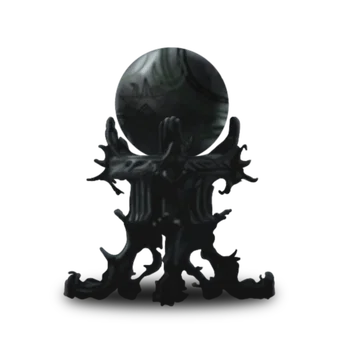 The Divine Arts is channelled through the mind and as such, requires a level of skill to achieve. When finding the way through the fundamentals of the art, there are different things that can be done to make it a little easier. But once achieved, a mage’s innate magic can be entwined with aether and gain direction, further reach, and a purpose.
Channelling the Magic of the Soul
Reaching the magic of the Soul within oneself the first time can be difficult, but after it has been achieved, the soul starts to remember the way and it soon becomes second nature, requiring little more thought and effort than moving.
It has been argued in the past that in order to utilise this art successfully, a calm, happy mind is typically required, and that if you are in inner-turmoil, it can be difficult to grasp. While it is true that having a clear mind will not hinder use, it is not a requirement. The use of hand seals have proven to be a dated and slow method also.
Only clear, precise thoughts and good visualisations are needed. If a person has the mental discipline and strength to think that way under stress, the magic will work just as well as if that person’s mind was calm.
Accessing Aether
Reaching for aether can be more tricky since it requires permission almost, a plea to help direct the magic in a specific way; a reach out that the spirits can decline or turn away from, and also requires reaching the void to even begin the request.
The use of symbols for aether – or Tulaea in Eldalair – or the deities themselves have proven useful for all levels. They can be used to anchor or hook the request which can help those less skilled achieve a successful result, and it can also help when performing more complex summonings that involve higher level spirits or multiples of them.
These symbols can be etched on paper, the ground, or even on the diviner themselves. Some will permanently bear those that they feel a strong inclination towards.
When highly skilled enough, just holding them in the mind can help break through that barrier.
Another method that can help when learning to manoeuvre it initially, is to treat the void as a physical thing as well. For many, this might involve conjuring a tool or implement out of aetheric energy which can then be used to “pierce” the void and extend the invitation to the spirits as well as providing a medium for the magic to flow through.
These tools, typically taking the form of small daggers, will be unique to the diviner and may reveal glimpses of who that person is. Whether ornate or plain, their function remains the same.
And again as before, as one’s strength and familiarity with the outreach grows, the need to use such tools are no longer required and the act of breaking through just with the mind itself will be enough.
Limitations
In much the same way as mana applies when using the body branch of magic belonging to the Arcane, the same “well” of power also applies to how much Divine magic – or soul magic – can be used in a specific time period. Recovery time is mandatory and consists largely of physical rest, maintaining a healthy body, and possibly most importantly, of not using magic in order to build up those reserves again.
Short term overuse can result in short temperament, headaches, and general fatigue. Long term overuse can be much more detrimental and should be treated with the utmost caution. Long term health effects are not uncommon, such as affecting memory or ability to focus, and rarely – but especially when delving into unknown magic – it can prove fatal.
Ongoing Research
Branching into a new section of the Divine Arts and truly exploring where it is the magic comes from has opened up roads to more research that is continually being built upon.
Gems and stones can help manipulate a mage’s ability with the Arcane, increasing influence over the elements and exploring a mage’s affinity to them. Enchanting also uses these, imbibing them with magic to extend their uses and the possibilities of magic. In much the same way these stones are used for this, it’s possible that these remarkable resources can help a diviner reach for and control aether too.
Currently, the stones showing the most promise include pyrite and black tourmaline. Incorporating them into whatever may be used to channel – whether a staff or a worn ring, for example – has shown to aid the ability to channel and to perhaps increase one’s influence over it.
Furthermore, with reaching these other dimensions and the magic that exist within, it’s become remarkably clear that there are vast quantities of the unknown lying within both them and our own dimension that are still yet to be discovered.
Questions about the spirits remain unanswered. What exactly are they attracted to and keep them coming when called – is it just out of wanting to serve and lend their power or do they sense something within the diviner or our world? Perhaps there are other dimensions yet undiscovered. Or, even more interestingly, more deities.
The Divine Arts is ready to be explored and expanded upon, and research – as ever – is ongoing.
Gallery